Years Of Expertise
With years of experience in FRP product development and manufacturing, we guarantee efficient production and quick delivery without compromising on quality.




We Are Open 24 Hours a Day, 7 Days a Week, Including Weekends and Public Holidays.



Years Of Expertise
With years of experience in FRP product development and manufacturing, we guarantee efficient production and quick delivery without compromising on quality.

Custom Solutions
We offer tailored FRP products to meet the unique needs of each client, ensuring the best fit for their specific requirements.

Premium Raw Materials
Using only high-quality materials, we ensure our products deliver exceptional strength, durability, and resistance in all conditions.

Reliable After Sales Support
Our dedicated team provides ongoing support, from installation to maintenance, ensuring a seamless experience for our customers.
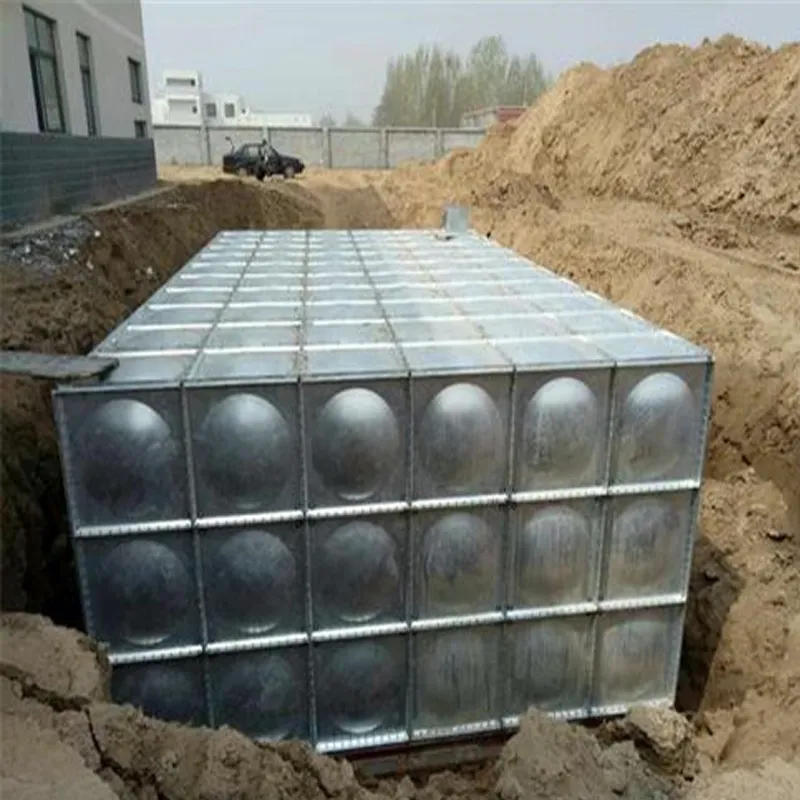
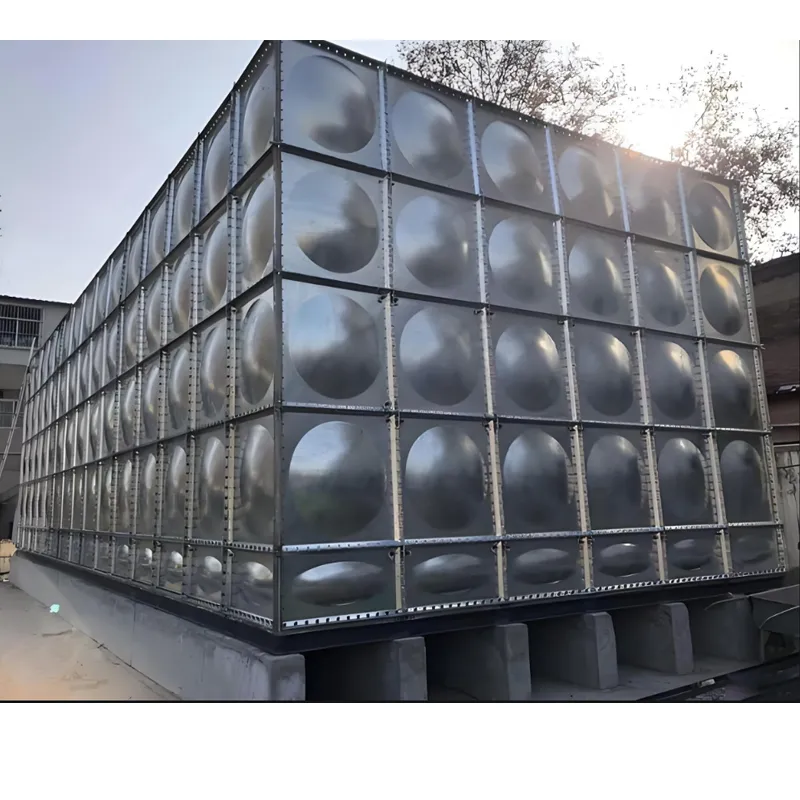
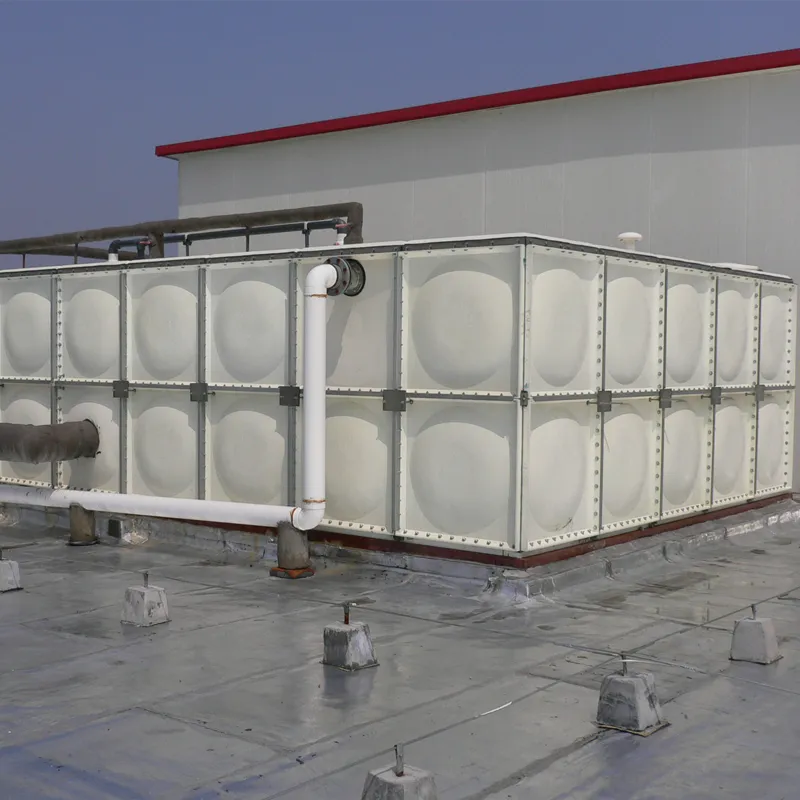
The evolution of frp sectional water tank technology has significantly transformed liquid storage solutions for diverse sectors including petrochemicals, metallurgy, water supply & drainage, and more. Combining outstanding anti-corrosive properties, modular customization, lightweight construction, and regulatory compliance, FRP (Fiberglass Reinforced Plastic) water tanks have emerged as the industry gold standard. Key Product : FRP Water Tank Key Phrases : frp sectional water tank, frp tank sizes, pp frp tanks, frp water tank manufacturer, frp water tank price 1. Industry Overview & Trends in FRP Sectional Water Tank Segment According to Market Research Future , the FRP tank market is projected to grow at a CAGR of 6.5% from 2022 to 2028, driven by increasing demand for anti-corrosive and lightweight storage solutions across industries. Specifically, the modularity of the frp sectional water tank is ideal for on-site assembly, cost optimization, and scalable water management, which is witnessing adoption in over 70 countries globally. Rising urbanization amplifies demand for large-scale, hygienic water storages. Strict environmental standards (ISO 9001, ISO 12485, ANSI/AWWA D121) fuel the shift from steel to FRP/PP-FRP solutions. Growing adoption of custom frp tank sizes for specialized industrial requirements. Investment in automation — CNC machining and precision casting — enhances consistency and weld integrity in tank manufacturing. 2. What is a FRP Sectional Water Tank? A frp sectional water tank is a modular storage tank assembled from prefabricated fiberglass-reinforced plastic sections, featuring: Glass fiber-reinforced unsaturated polyester resin construction Panel thickness: 6~20mm depending on tank height/capacity Bolt & gasket structure with internal bracing/frame Optional external/PP-layer for pp frp tanks variants (food-grade water) Volume: from 0.5m³ to 5000m³+ ( frp tank sizes variable per client need) 3. Detailed FRP Sectional Water Tank Manufacturing Process Stepwise Craft Flow: Raw Material Inspection: Use of high-grade E-glass fiber & unsaturated polyester resin. Raw materials undergo ISO 9001:2015 and FDA CFR 177.2420 tests for safety and purity. Panel Molding: Panels are cast in steel molds (usually 1Mx1M or 1Mx0.5M) under 120°C-150°C with CNC-controlled curing time to guarantee uniformity and tensile strength >70 MPa. Edge Trim & Surface Treatment: CNC contouring trims provide 0.1mm accuracy; anti-UV and food-grade coatings (optional for drinking water application) applied. Panel Jointing & Assembly: On-site bolting with corrosion-resistant stainless steel fasteners, EPDM/NBR gasket insertion, and bracing installation. Leak Testing & Quality Control: 100% hydrostatic leak test per ANSI/AWWA D121 and visual inspection for delamination, surface cracks, and dimensional accuracy. Final Product Delivery: Labeling, accessories mounting, delivery with ISO 10498/CE certification, and detailed installation manual. Sample process video: Watch on YouTube Manufacturing step illustration FRP Sectional Water Tank Typical Technical Parameters FRP Sectional Water Tank Key Technical Comparative Table Parameter FRP Sectional Water Tank SS304 Steel Tank Concrete Tank PP FRP Tanks Service Life 25+ years 20 years 20 years 30+ years Anti-Corrosion Excellent Good (pitting risk) Poor Excellent Tank Volume Range 0.5–5000m³ 0.5–3000m³ <5000m³ 0.5–1000m³ Maintenance Cycle 5 years 3 years 1.5 years 8 years Unit Weight (kg/m³) 17-23 70-80 300+ 22-28 Price Trend (USD/m³) 110-160 210-350 160-300 120-170 Modularity Easy Modular Partial Low Easy Modular Hygienic Cert. ISO, FDA ISO, FDA None ISO, FDA Technical Indicator Comparison & Visualization FRP Sectional Water Tank Stainless Steel Tank PP FRP Tank Anti-Corrosion Performance (Score/10) 9.2 8.3 9.7 Weight (kg/m³, the lower the better) 20 62 24 Relative Cost (USD/m³) 135 225 142 Distribution of Common FRP Tank Sizes (Capacity Market Share 2023) Source: LongxuanFRP industry sales, 2023 4. Why Choose FRP Over Other Water Tank Materials? frp sectional water tank products dominate modern liquid storage because: Corrosion Resistance: Unlike stainless steel, FRP is inert to chlorine, salt, acidic vapors, and can withstand most industrial process fluids (pH 1~12), validated by over 20,000+ industry projects. Hygiene & Safety: Food-grade resins, with optional PP inner lining or pp frp tanks customization, meet FDA/WHO water storage standards. Installation Flexibility: Modular assembly structure allows rapid construction in tight, irregular, or rooftop spaces, slashing site labor time by up to 60% compared to concrete. Cost Efficiency: Lower weight, simplified transport, and 30% reduced installation costs on average compared to metal tanks. Low Maintenance: Autonomously passivated surfaces negate routine painting or internal re-coating typical for steel tanks. Maintenance cycle stretched to 5-8 years. Regulatory Compliance: Leading frp water tank manufacturer s ensure international certification: ISO 9001:2015, ISO 10498:2018 (potable water), ANSI/NSF61. 5. FRP Water Tank Sizes & Customization As required by projects, frp tank sizes are tailored via sectional assembly: Standard Panel Size Panel Thickness Assembly Range Application 1m x 1m 6-20mm Up to 5000m³ Municipal/Industrial 1m x 0.5m 6-12mm 0.5~250m³ Residential, Commercial 0.5m x 0.5m 6-8mm 0.1~12m³ Emergency, Mobile Units Custom 6-20mm To client spec. Special industry Unique applications — such as ultra-high-purity water, desalination brine, fire water reserve and mining slurries — are regularly addressed with “bespoke” solutions involving dual-liner, anti-static, or additional insulation panels. Customization Workflow: Requirement Collection: Specify volume, dimensions, application, climate zones, and water quality. Preliminary Design: CAD + FEA simulation on mechanical stability. Resin/Material Selection: Adjust fiber:resin ratio, optional PP/PE lining. Panel Thickness & Grade Selection (see parameter table above). Site Survey & Logistics Optimized Design. Engineer-Approved Drawings Shared for Final Confirmation. Mobility or fixed platform options as per installation needs. Example : For a coastal chemical plant, a 200m³ frp sectional water tank with high-thickness resin (20mm), external UV-protection, and acid-proof gaskets delivered 15-year maintenance-free operation — 30% longer than rival steel units. 6. Typical Applications & Success Cases Potable Water/Municipal Supplies: ISO 10498-certified units for city residential and rural water systems worldwide. Petrochemicals & Refineries: FRP tanks handle aggressive process fluids, clarified water, brine, and process cooling circuits. Mining/Metallurgy: Robust modular tanks for slurry, upgrade to acid/alkali handling by thickened panel resin. Fire Water Storage: High-reliability reserve tanks for hospital/commercial fire protection systems. Food & Beverage: PP FRP hybrid tanks for beverage, dairy, and breweries under FDA/NSF-61 standards. Rainwater Harvesting & Emergency Storage: Modular, relocatable tanks for climate-resilient infrastructure. Case Study 1: Petroleum Refinery, Southeast Asia (2023) — Longxuan supplied a 750m³ frp sectional water tank using ASTM D4067-certified E-glass and food-grade resin. Maintenance data after 16 months indicated 0% corrosion, stable water quality, and zero leakage . Estimated 30% operational savings over steel tanks. Case Study 2: Urban Water Utility, Europe (2022) — Modular installed 250m³ potable water FRP tank certified by ISO 10498:2018 . Assembly completed in 4 days (32% faster vs. steel), with continuous 24/7 monitored leak resistance by automated sensors. Client Feedback: “LongxuanFRP’s support and technical insight ensured seamless fit with our space limitations and stringent drinking water standards.” –Plant Operations Head 7. Comparing Leading FRP Water Tank Manufacturers Company Certifications Main Product Lines Delivery Area Warranty LongxuanFRP ISO 9001, ISO 10498, FDA Sectional FRP, PP FRP Tanks Global 10 years HanWha Group ISO 9001, ASTM FRP & SMC Modular Asia, Europe 8 years Aquatech ISO 9001, NSF GRP, Sectional Tanks Americas, EU 5-7 years Haoyun FRP ISO 9001, SGS Custom FRP/SMC Asia, Africa 6 years LongxuanFRP stands out as a global frp water tank manufacturer with 20+ years of expertise, fully in-house production, and industry references in 50+ countries. 8. Delivery Cycle, Warranty & Customer Support Delivery Cycle: 50m³–300m³ standard models: 7~12 days. Custom large tanks: 14~25 days after order confirmation and technical drawing approval. Warranty: 10-year leakage warranty; 15-year structural warranty (materials/manufacturing defects). Onsite Support: Installation supervision, third-party testing (as per ISO/ANSI ), and operational training available worldwide. Documentation & Manuals: Each delivery includes certification, installation drawings, and an after-sales helpline. QA Traceability: All panels individually coded for lifecycle tracking and quick warranty claims. 9. FAQ: Technical Glossary on FRP Sectional Water Tank Q1: What is the main advantage of using FRP (Fiberglass Reinforced Plastic) in tanks? FRP’s primary advantage is unmatched corrosion resistance due to the inert properties of the resin-glass matrix, making frp sectional water tank solutions ideal for aggressive chemical, hard water, and marine applications. Q2: How are frp tank sizes determined for my project? Sizes are modular — determined by combining 1x1m, 1x0.5m, or 0.5x0.5m panels to match exact site requirements. Inlet/outlet positions, corrosion allowance, and seismic zone are factored into the design. Q3: What certifications are available to guarantee water safety? International ISO 10498:2018 for drinking water storage and FDA CFR 177.2420 for food contact safety are provided by reputable frp water tank manufacturer s. Q4: What materials are typically used in pp frp tanks ? PP FRP tanks combine a polypropylene (PP) inner liner (food-grade, highly chemical-resistant) with an external FRP shell, ensuring double protection for potable water or high-corrosivity fluids. Q5: Describe the testing procedure before delivery? Each frp sectional water tank undergoes hydrostatic pressure testing (1.5x rated load), visual & ultrasonic inspection, and dimensional checks per ANSI/AWWA D121 . Q6: How is the installation performed? Panels are bolted onsite with pre-set gaskets, frame, and support struts added. All installation must follow certified drawings and generally requires 20-30% less time than steel/concrete tanks. Q7: What’s the expected frp water tank price range and what influences it? Prices generally range from $110–$160/m³ but depend on frp tank sizes , resin type (food-grade/chemical-grade), thickness, panel quantity, internal lining needs, auxiliary features (manholes, ladders), and transportation costs. 10. References & Industry Authority Citations Market Research Future: FRP Tank Market Analysis ASME: Tank Inspection, Standards & Industry Codes AQSIQ: ISO 10498 Standard on Potable Water Tanks TankForum.com — FRP vs GRP Real-World Experience Eng-Tips.com: FRP Tank Applications and QA





Address
20 Xingyuan South Street, Zaoqiang County, Hengshui City, Hebei Province, China